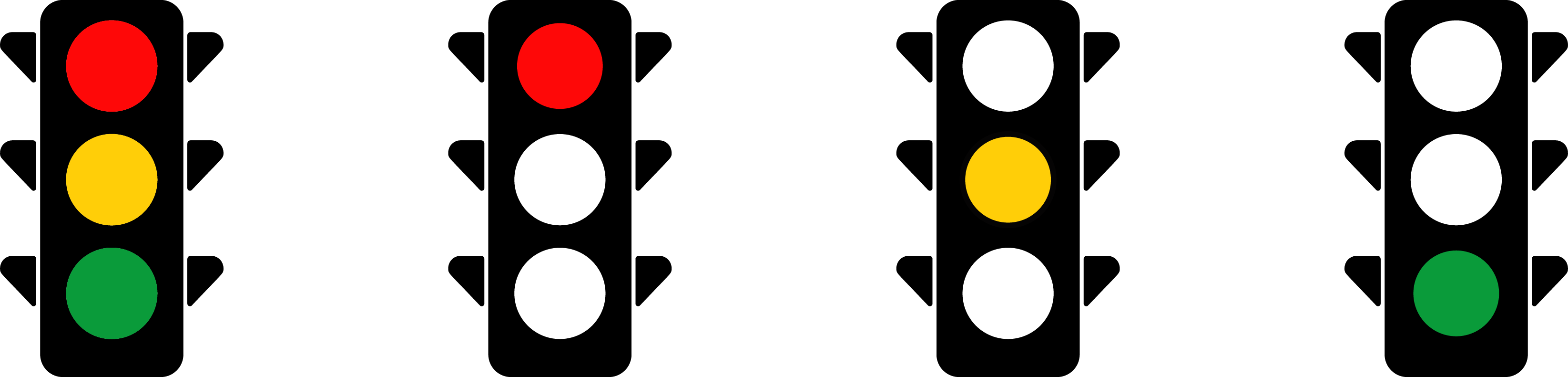

AI can help students learn—but only when it’s used the right way. One of the best ways you can support that is by giving clear, simple rules for each assignment. The “stoplight” model is an easy way to do that: red, yellow, and green.
Add the stoplight to every assignment. Put it in the directions and in the rubric, the same way you may already spell out rules for things like plagiarism and citations.

Red Light: Don’t use AI
For some activities, the goal is to check what a student knows. In these tasks, AI use is not allowed.
Use red light for things like:
- quizzes and exams
- short-answer activities or journal and reflection writing
- problem-solving work done to show individual understanding

Yellow Light: Ask the instructor first
For some assignments, AI might be helpful—but the instructor needs to know how and why it’s being used. With yellow light, students can use AI only after getting permission.
Use yellow light for things like:
- longer projects
- research tasks
- group work
When students ask, have them explain their plan:
- What are you trying to do with the AI?
- How will you use it to help you learn, not replace your thinking?
- What part of the work is still yours?
This is also a good moment to remind students about honesty and transparency. If AI is used to draft or generate ideas, students should follow whatever citation or disclosure rules the course uses.

Green Light: AI use is encouraged (with expectations)
For creative, exploratory, or build-type work, green light says students may use AI to help them get started, test ideas, or improve drafts.
Use green light for things like:
- brainstorming for writing
- drafting outlines or revising ideas
- design projects
Even when AI is encouraged, students still need guardrails. With green light, require students to:
- explain their plan first (or submit a short plan in advance)
- clearly show how they used AI (according to the class expectations)
- Consider a shared space where students post their AI plan and get feedback from peers.
The key idea
The stoplight model works because students get clarity before they start. And when teachers give a quick “permission” check (yellow) or a short plan conversation (green), students learn how to use AI responsibly instead of guessing.
Example: How faculty might implement the “stoplight” model in Canvas:

Looking for a thought partner?
The CTLE team can help you generate new ideas, revise assignments, and thoughtfully integrate AI into your teaching. We are here to support you!
Connect with us to get started.


