The Educause Center for Applied Research (ECAR) conducts an annual survey of undergraduate students and their technology usage and experiences. With data from more than 100,000 students and in conjunction with 195 institutions, the results help paint a picture of the current experience of students and how we can best teach and support them.
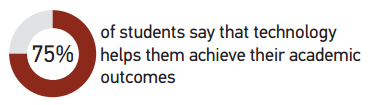
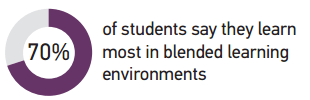
- Blended-learning environments are the norm; students say that these environments best support how they learn.
- Students want to access academic progress information and course material via their mobile devices, and institutions deliver.
- Technology training and skill development for students is more important than new, more, or “better” technology.
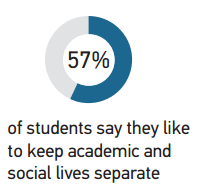
- Students use social networks for interacting with friends more than for academic communication.
- Look to emerging or established leaders for strategies to deliver instruction and curricular content to tablets and smartphones.
- Prioritize the development of mobile-friendly resources and activities that students say are important: access to course websites and syllabi, course and learning management systems, and academic progress reports (i.e., grades).
- Bridge the gap between the technologies that have seen the greatest growth (e-portfolios, e-books/e-textbooks, and web-based citation/bibliographic tools) and students’ attitudes about their importance. Focus training/skill-building opportunities for students, professional development opportunities for faculty, and support service opportunities on these emerging technologies.
- Use e-mail and the course and learning management system for formal communication with students. Experiment with text messaging and instant messaging/online chatting, and don’t focus efforts on using social networks and telephone conversations to interact with students.